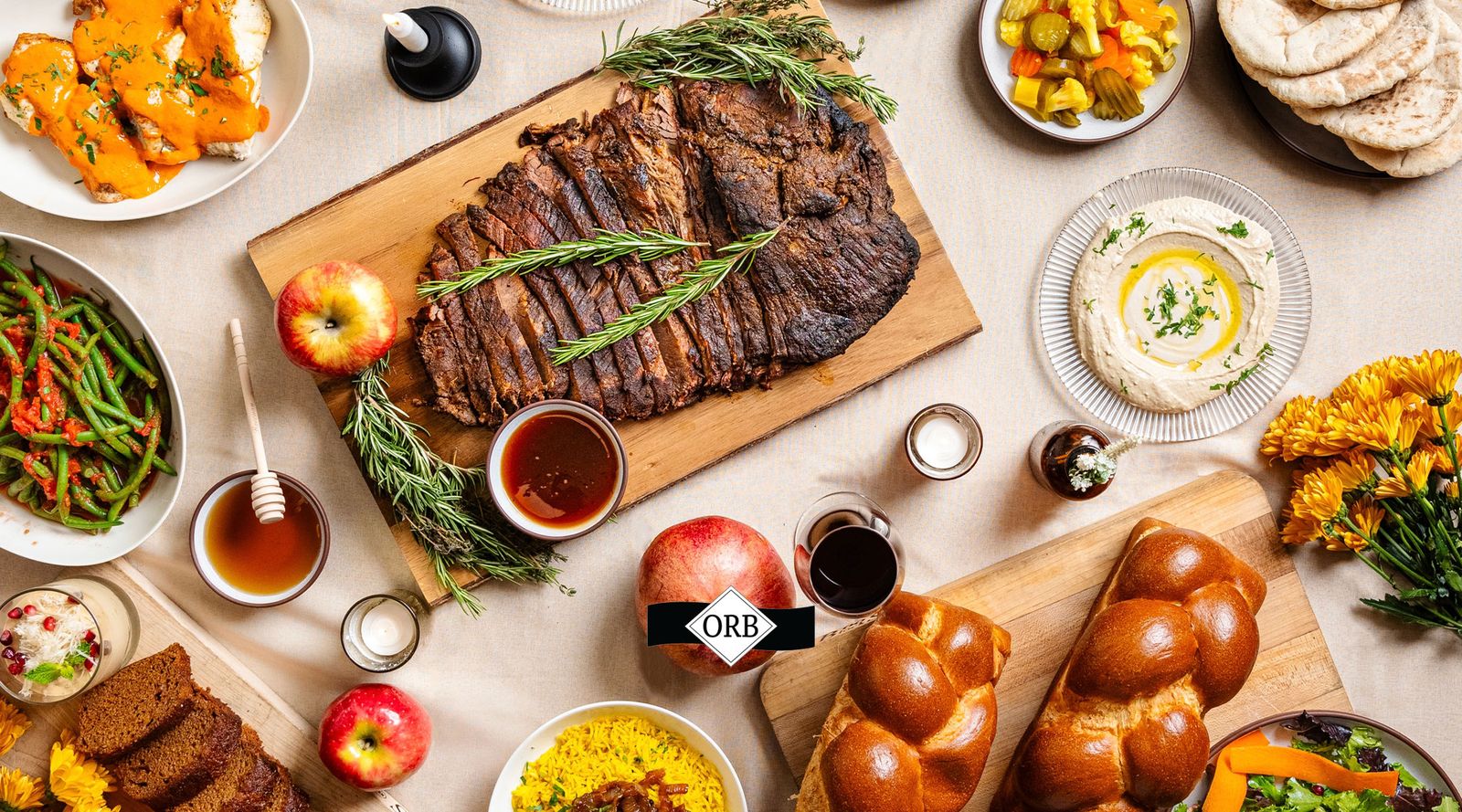

Of every step in cooking a roast, resting is the easiest to get right and the most commonly skipped — usually because it's the one step that looks like it isn't doing anything. The meat just sits there. But what happens during those quiet minutes determines whether all the work that came before it pays off.
1. Resting isn't optional — it's where the juice goes back in
Heat pushes moisture toward the center of a roast as it cooks. Slice into it straight out of the oven and that moisture floods out onto the cutting board instead of staying in the meat. Given time to rest, the muscle fibers relax and reabsorb much of that liquid evenly throughout the cut. Skip the rest and you're pouring some of the best part of the roast down the drain.
2. Tent it loosely, don't wrap it tight
A loose foil tent keeps the surface warm without trapping steam against the crust you worked to build. Wrap a roast tightly and the crust goes soft within minutes, undoing a sear or a slow roast's worth of texture. Loose is the operative word — enough coverage to hold warmth, not enough to seal in moisture against the surface.
3. Carve against the grain, and carve just before serving
Once rested, find the direction the muscle fibers run and cut across them, not along them — this is what makes the difference between a roast that shreds easily on the fork and one that feels chewy regardless of how well it was cooked. And carve close to serving time, not far in advance: a whole rested roast holds its heat and moisture far better than a pile of pre-sliced meat sitting exposed to the air.
None of this takes skill. It takes twenty quiet minutes you have to be willing to give the roast before you reach for the knife.
From Our Kitchen
We handle the resting too
Every roast we deliver is rested and carved the right way — ready for your table, no cutting board required.
See This Week's Meat